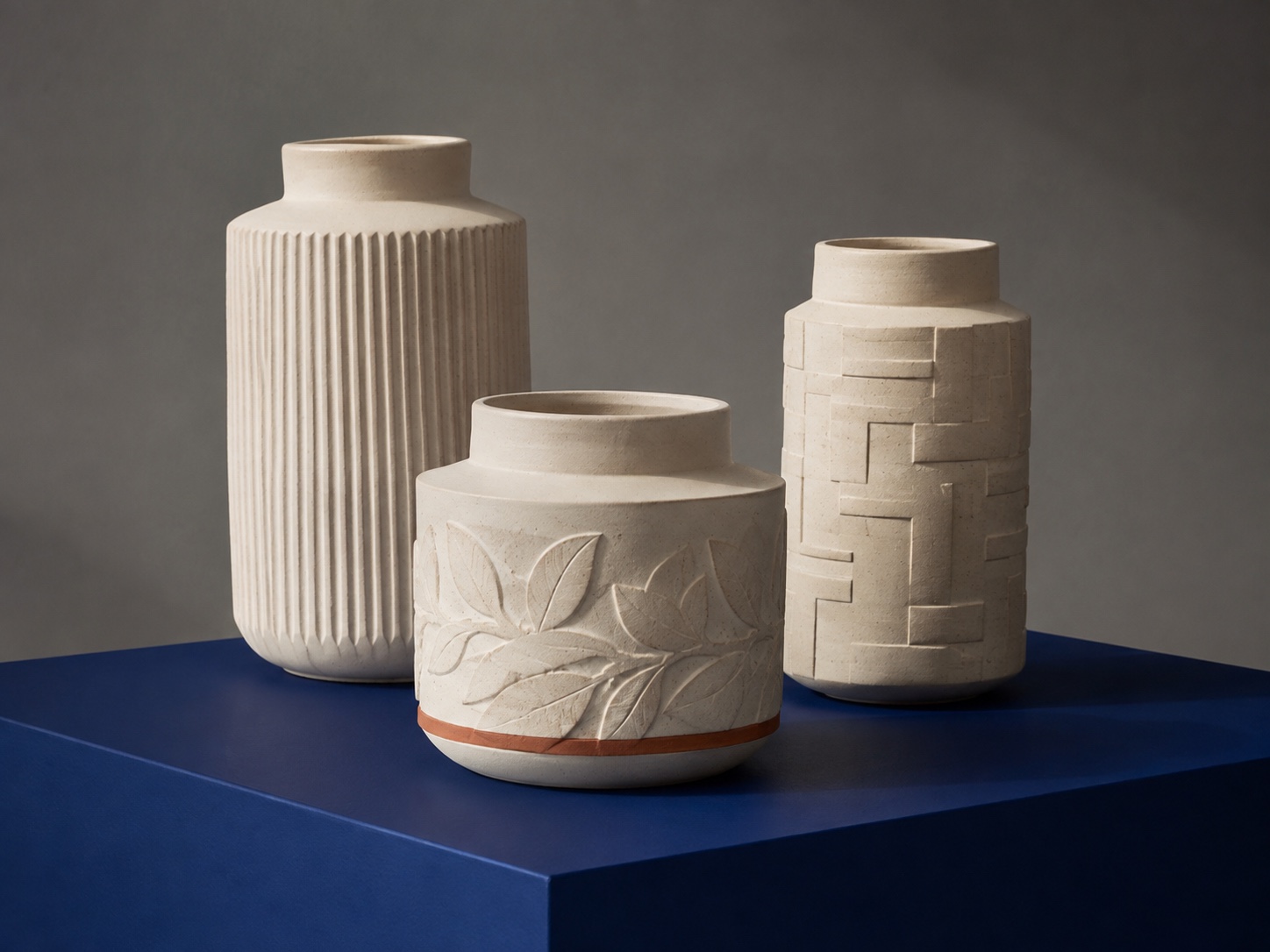
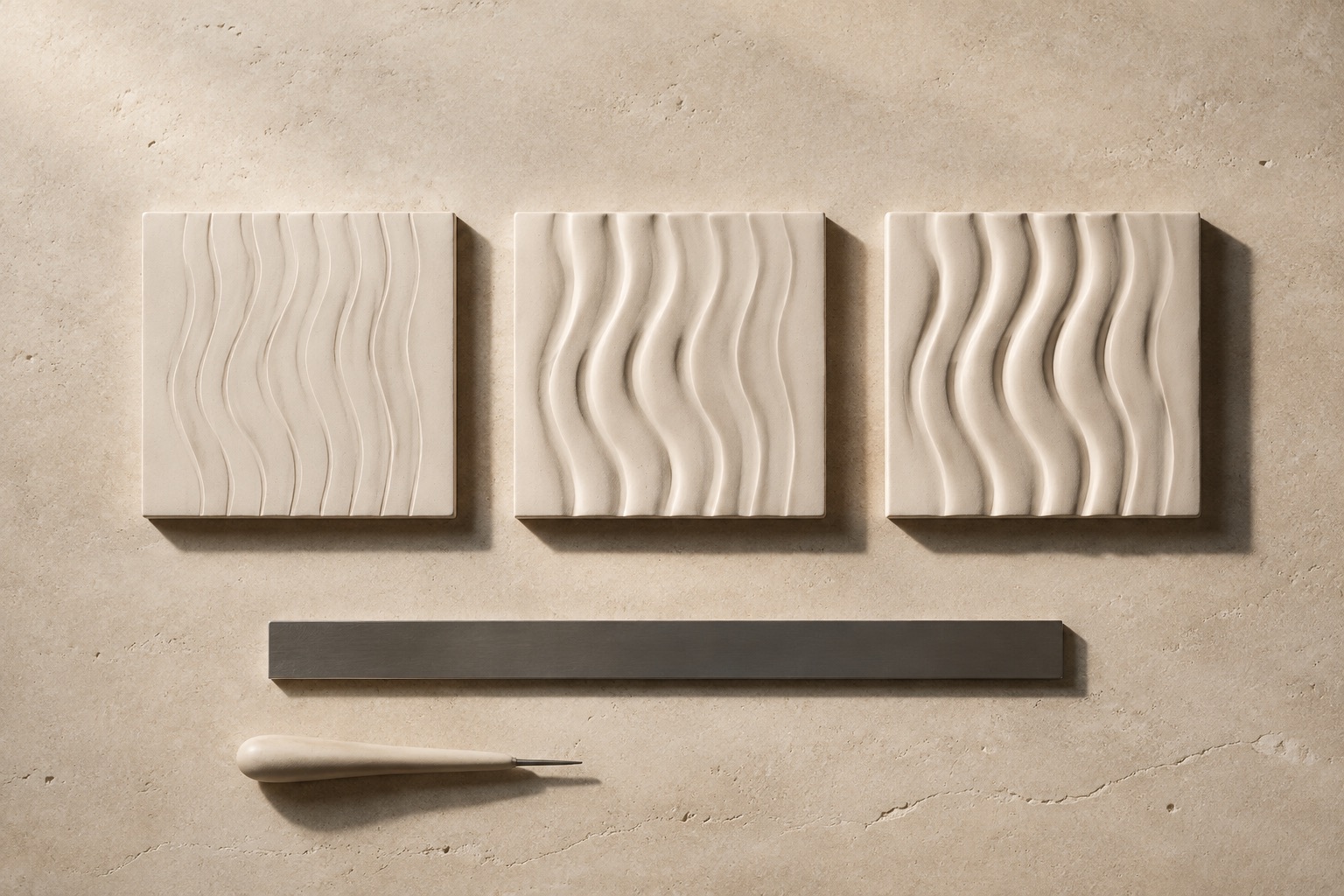
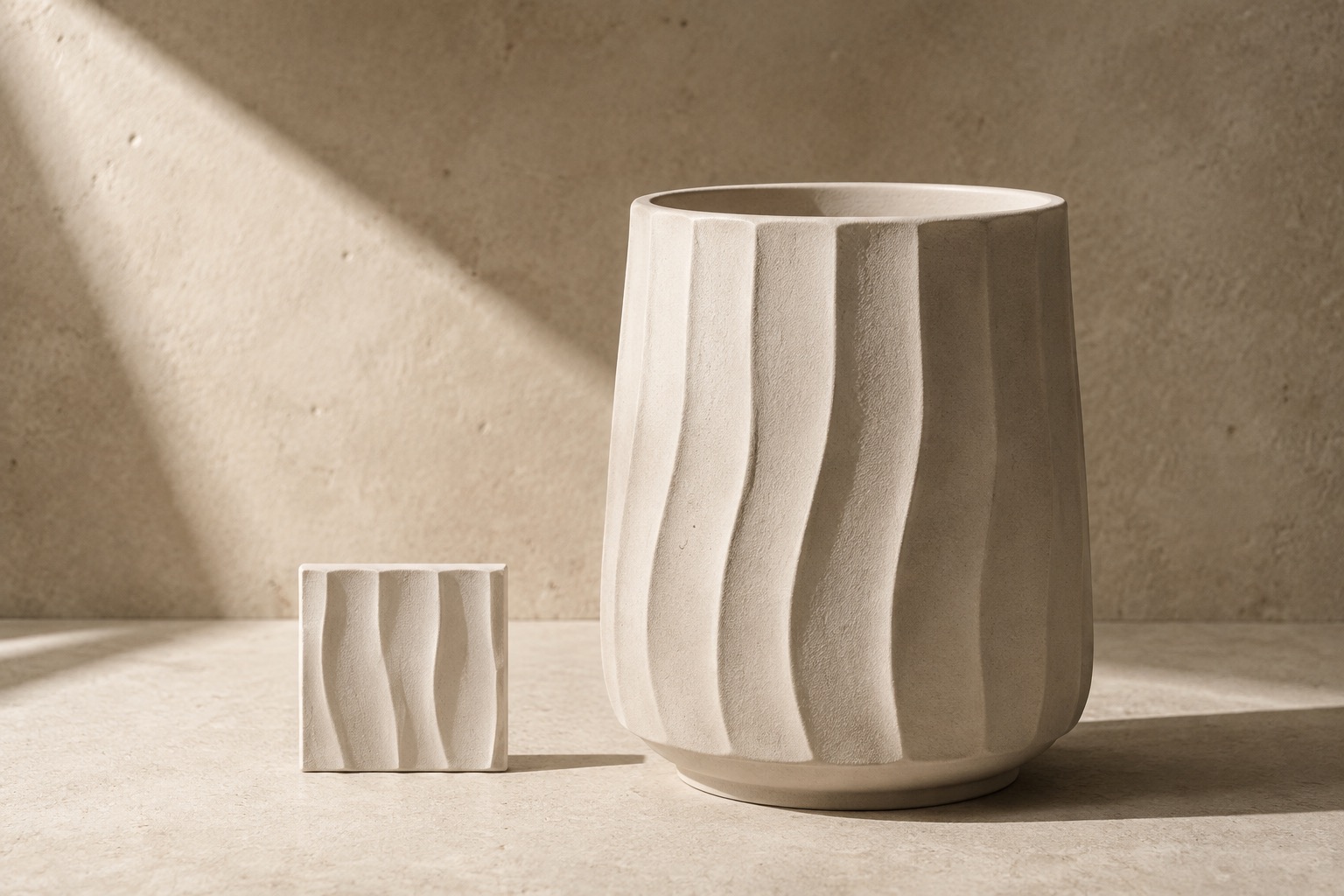
Plate 01—AWave relief / raking lightAI concept study
InputGrayscale height field
FeedbackLive lit geometry
Output3D vessel model
ExportSTL mesh
00 / Proposition
A depth map is a plan for a surface.
It is waiting for material.
BLACK / LOWWHITE / HIGH
Every pixel becomes a physical decision: height, edge, shadow, release.
01 / Apparatus
Two instruments. One continuous surface.
The surface workbench edits the depth map; the form workbench builds the ceramic body. They share the same material logic, so the idea stays legible from source to object.
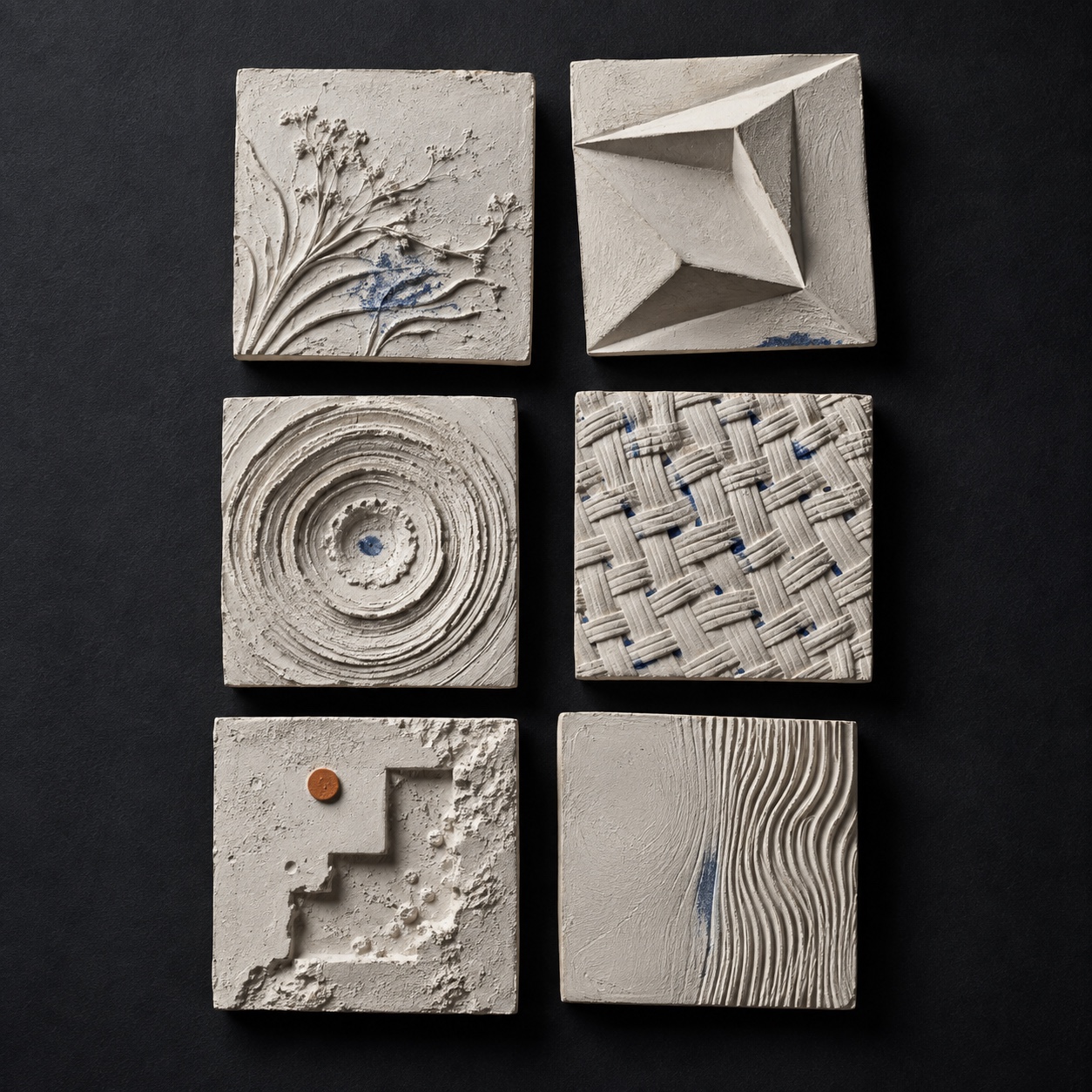
Concept plate / surface atlas
Instrument 01—S
Surface workbench
Paint, layer, generate, blend, crop, remap, and test the height field while its lit relief stays in view.
Relief study / 02—MShallow → pronounced / AI concept
01
Encode
Build the grayscale field from reference, drawing, type, pattern, or generation.
IMAGE → HEIGHT
02
Interrogate
Move the light, orbit the mesh, cut a section, and tune what the surface actually does.
HEIGHT → SHADOW
03
Form
Place the resolved relief on the ceramic body and export the closed model.
SURFACE → OBJECT
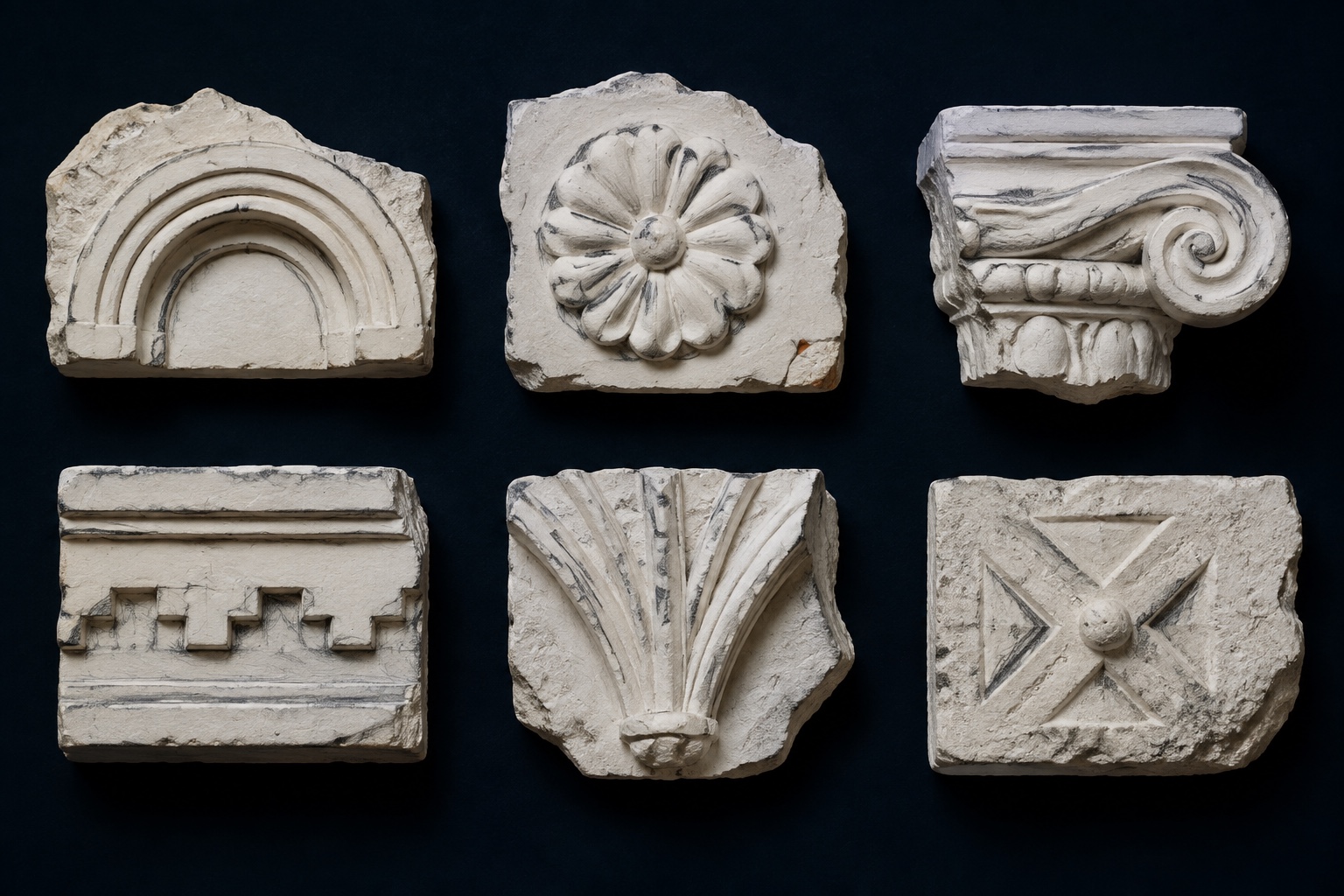
Plate 06 / Architectural concept study
Ornament you can name.
Acanthus, meander, guilloche, egg and dart. FORM keeps a working vocabulary of period, ornament, and handling terms and highlights them as you write a prompt. Swap gothic for baroque in one click, or find the word for the thing you were describing the long way round.
Period
16 terms
Ornament
25 terms
Handling
7 terms
03 / Field journal
Ideas to explore. Things to make.
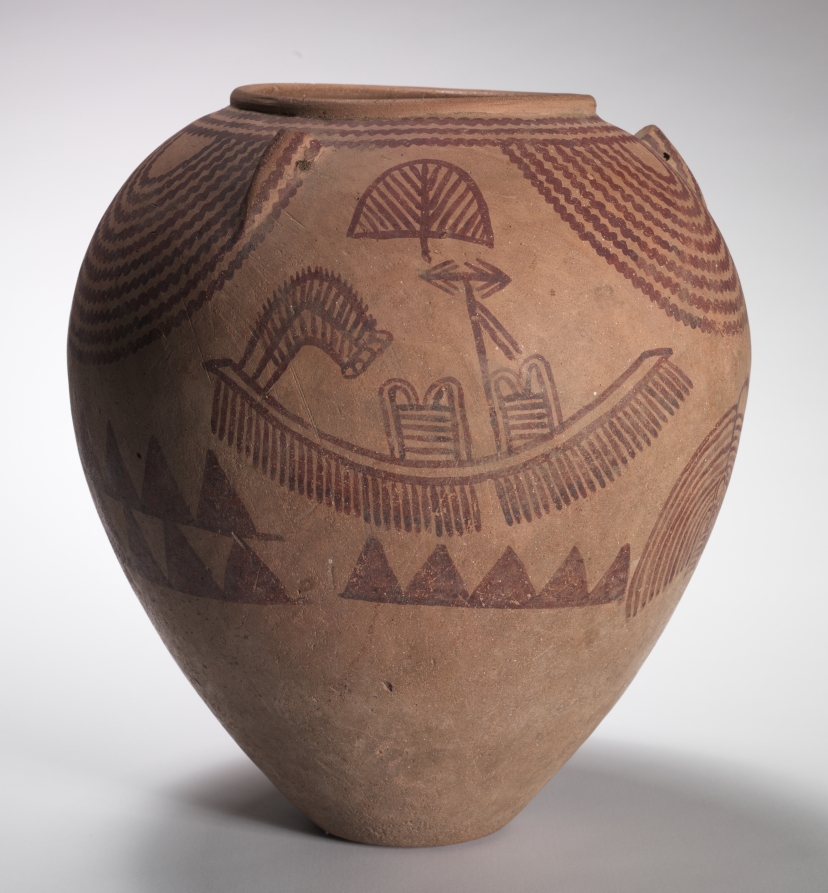
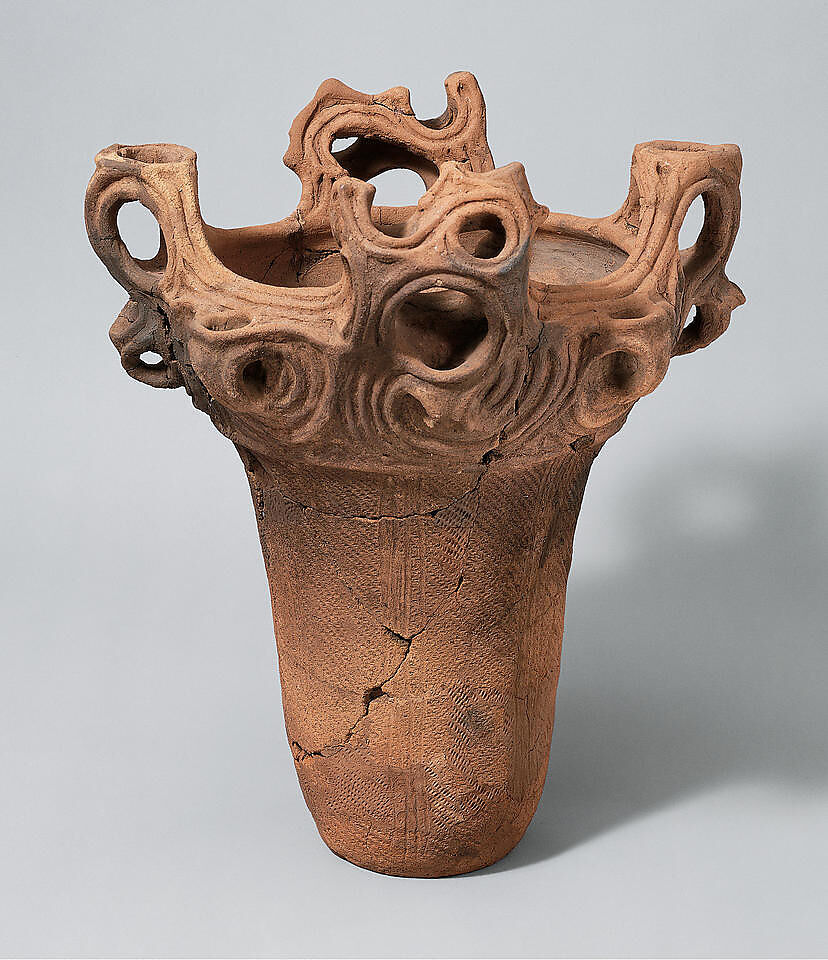
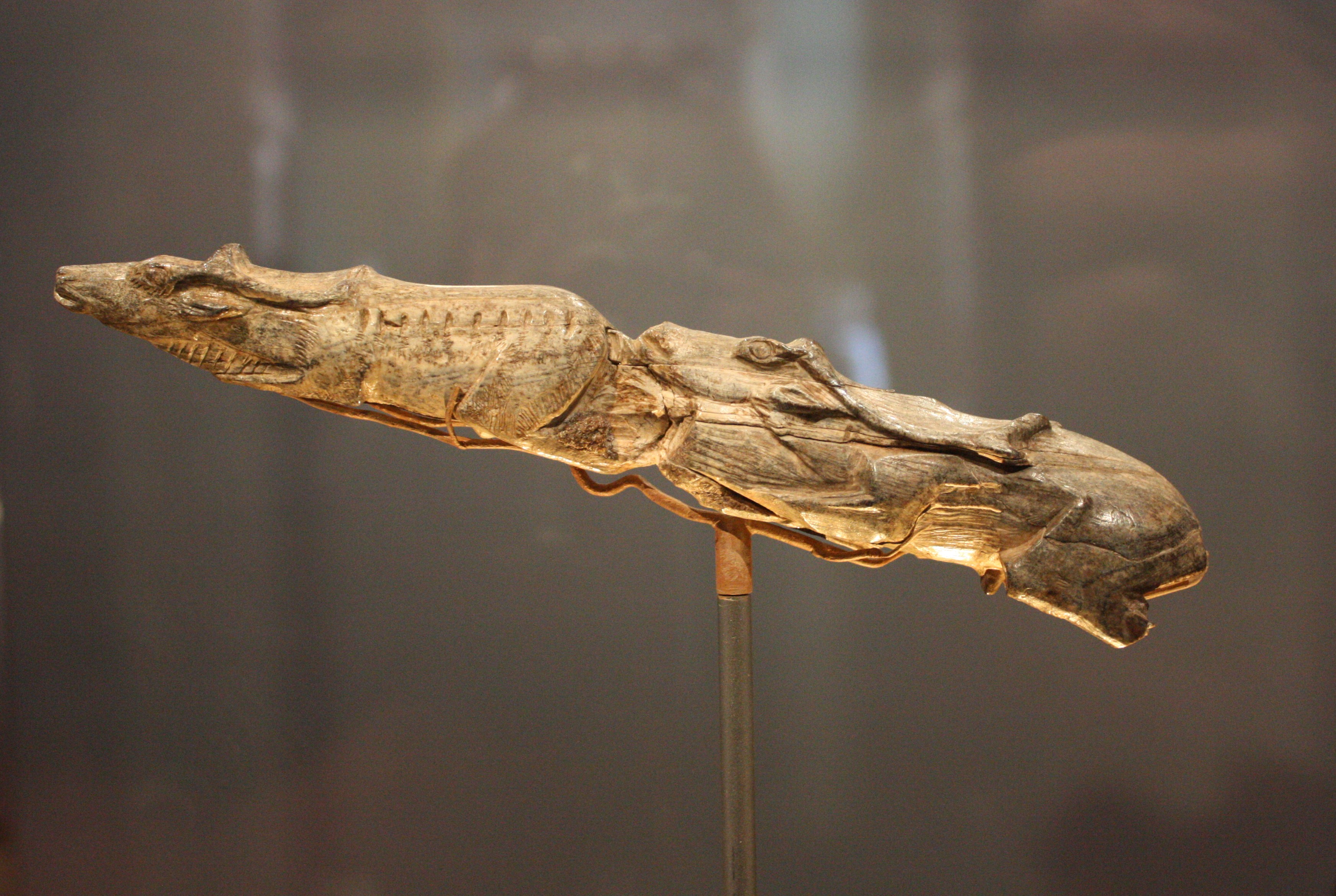
Art history meets the workbench. Start with our prehistoric object studies; practical guides to plaster casting, mold making, and 3D printing are coming next.Browse the journal

 Concept plate / surface atlas